OEKO-TEX vs GOTS: What Each Textile Certification Actually Covers
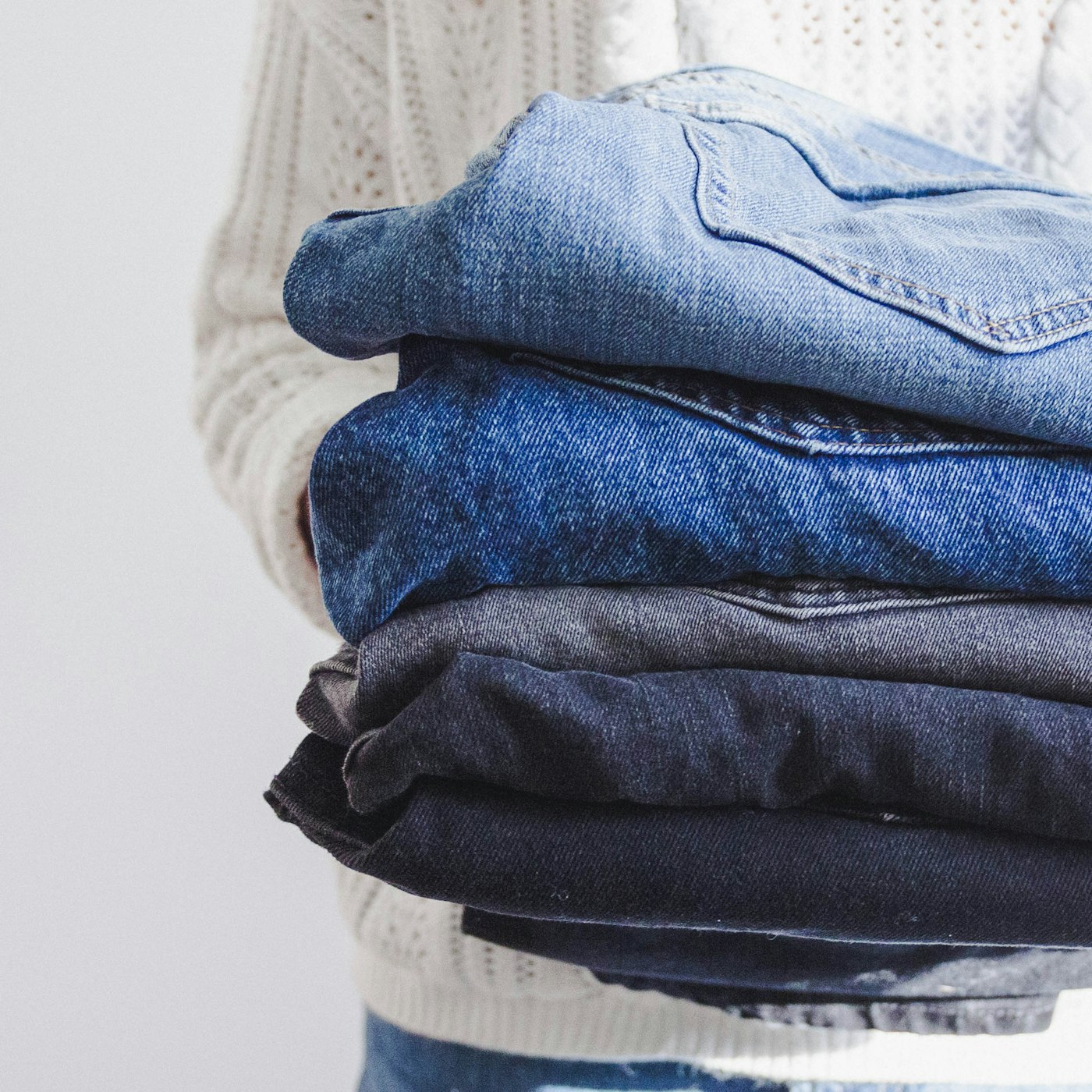
Two labels that are often confused. One tests the finished product for harmful substances, the other certifies organic fibre and responsible processing.
Buyers often ask for "OEKO-TEX or GOTS" as if they were interchangeable. They answer different questions, and many brands ask for both.
OEKO-TEX Standard 100
This label certifies that every component of a textile product, including fabric, thread, buttons and zips, has been tested for harmful substances. Products are grouped into four classes by intended use; Class I is for baby articles, the strictest class.
GOTS (Global Organic Textile Standard)
GOTS covers the whole chain: the organic status of the fibre plus environmental and social criteria for spinning, dyeing and manufacturing. Products labelled "organic" must contain at least 95% certified organic fibres, and "made with organic materials" requires at least 70%.
Which one do you need?
- Choose OEKO-TEX if your priority is product safety and chemical compliance, especially for baby and children's wear.
- Choose GOTS if you want to make organic claims and need traceability of the organic fibre.
- Use both if you need organic claims and independently tested safety.
Always ask for the certificate, check its scope and validity date, and verify it in the official public databases of the certifying bodies.
Planning a collection?
Share your fabric, model and quantity and our team will get back to you within 24 hours.